6 Tastes for Balance
Ayurvedic Nutrition - Click Here
|
Ayurvedic Nutrition - Click Here |
Shad Rasa | Shad = Six - Rasa = Taste
3 Building - Nourishing Tastes: Sweet, Sour, Salty
3 Cleansing - Eliminating Tastes: Pungent, Bitter, Astringent
A Journey Through the Six Tastes
The meaning of the Six Tastes (Shad Rasa) and why they are essential for balance
How each taste supports nourishment, digestion, and satisfaction
The relationship between the tastes, the doshas, and the seasons
A common modern misconception about “eating for your dosha.”
Why including all six tastes can reduce cravings and improve digestion
A simple example of how to build a balanced Ayurvedic meal
How modern nutrition has moved away from true nourishment—and how to restore it
The importance of how you eat, not just what you eat
A practical mindful eating technique: the Spoon-Down Method
A complete guide to the six tastes and their food groups
Ancient Wisdom for Modern Living

rasāḥ svādv-amla-lavaṇa-tiktoṣaṇa-kaṣāyakāḥ || 14 || ṣaḍ dravyam āśritās te ca yathā-pūrvabalāvahāḥ | रसाः स्वा द्वम्ललवणति क्तो षणकय|| षड् द्रव्यमा श्रि ता स्ते च यथा पूबव|
All Dravyas (Substances) carry one or more of these 6 tastes:
1. Madhura (Sweet) - Most Nourishing
2. Amla (Sour) - Second most Nourishing
3. Lavaṇa (Salty) - Third most Nourishing
4. Tikta (Bitter) - Second Nutrient-Dense
5. Kaṭu (Pungent) - Nutrient Dense
6. Kaṣāya (Astringent) - Most Nutrient Dense (read more below)
Each taste has two dominant elements:
Madhura (Sweet): Earth + Water
Amla (Sour): Fire + Earth
Lavana (Salty): Fire + Water
Tikta (Bitter): Air + Ether
Kaṭu (Pungent): Fire + Air
Kaṣāya (Astringent): Earth + Air
The 6 Tastes and The Seasons

The 6 tastes are made of the 5 elements, and their qualities (gunas) affect the 3 doshas and the seasons.
Vata Season: Late Fall - Winter | Tastes: Sweet, Sour, Salty
Kapha Season: Late Winter - Spring | Tastes: Bitter, Pungent, Astringent
Pitta Season: Late Spring - Summer | Tastes: Sweet, Bitter, Astringent
The 6 Tastes and the Doshas
The first 3 tastes: Madhura (Sweet), Amla (Sour), Lavana (Salty) - balance Vata.
The last 3 tastes -Tikta (Bitter), Katu (Pungent), Kashaya (Astringent) - balance Kapha
The 3 Tastes: for Pitta, Madhura (Sweet), Tikta (Bitter), Kashaya (Astringent)
The Modern Ayurvedic Misconception

A common misunderstanding today is the idea that you must eat strictly according to your dosha for the rest of your life.
In Ayurveda, we don’t treat only the constitution—we respond to the current state of the body, especially the gunas (qualities) that are present in the moment.
For example, you may have a Vata constitution, but if you come down with a cold or flu and experience mucus, heaviness, and congestion, these are Kapha qualities. In that case, it is more supportive to temporarily favor a Kapha-reducing approach—lighter, warming, and stimulating foods—rather than continuing a strictly Vata-based diet.
Similarly, during the Vata stage of life—such as after menopause for women—Vata naturally increases, regardless of your original constitution. Even if you are primarily Pitta or Kapha, this phase of life calls for a more Vata-pacifying approach, emphasizing warm, nourishing, and moistening qualities to support both body and mind.
Ayurveda is not static—it is a living, responsive practice that asks us to meet ourselves where we are.
In Ayurveda, including all six tastes (sweet, sour, salty, pungent, bitter, and astringent) in a meal is considered deeply balancing and nourishing for both body and mind.
The Main Benefits of Including 6 Tastes
1. Promotes complete nourishment
Each taste carries different qualities and nutrients. When all six are present, the body receives a more holistic range of nourishment, supporting tissues, digestion, and overall vitality.
2. Improves digestion (Agni)
The six tastes work together to gently stimulate digestive enzymes and secretions. This helps your body break down, absorb, and assimilate food more efficiently.
3. Reduces cravings and overeating
When a meal is taste-balanced, the body feels satisfied on a deeper level. This often reduces the desire for snacking or seeking something “missing” after eating.
4. Balances the doshas
Each taste affects Vata dosha, Pitta dosha, and Kapha dosha differently. Including all six in appropriate proportions helps maintain internal balance and prevent excesses.
5. Supports mindful eating
A variety of tastes naturally slows you down and engages the senses, encouraging awareness and a more grounded eating experience.
In essence, a meal with all six tastes is not just about flavor—it’s a way of creating satisfaction, balance, and better digestion in a very intuitive and natural way.
Example of a meal with all six tastes:
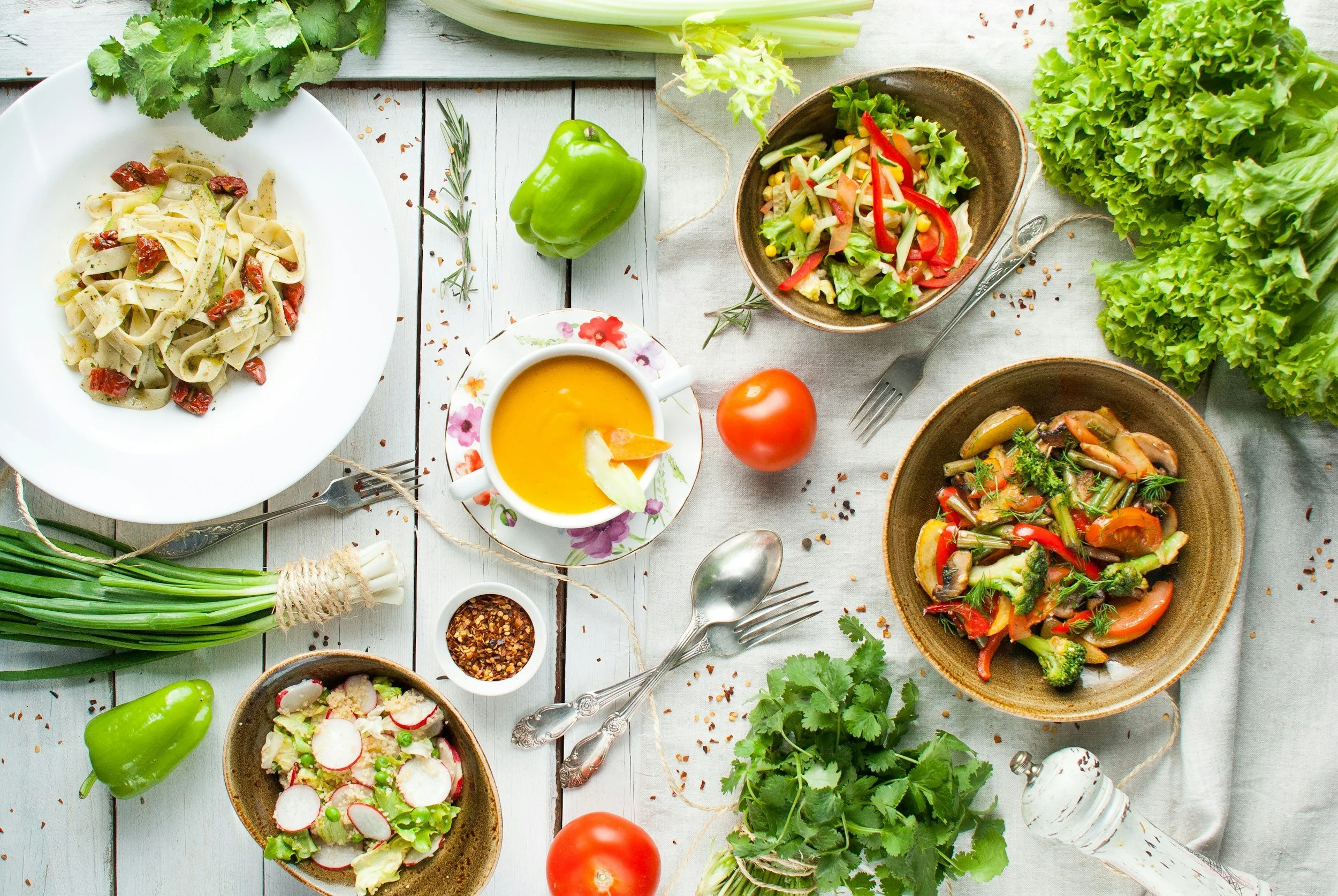
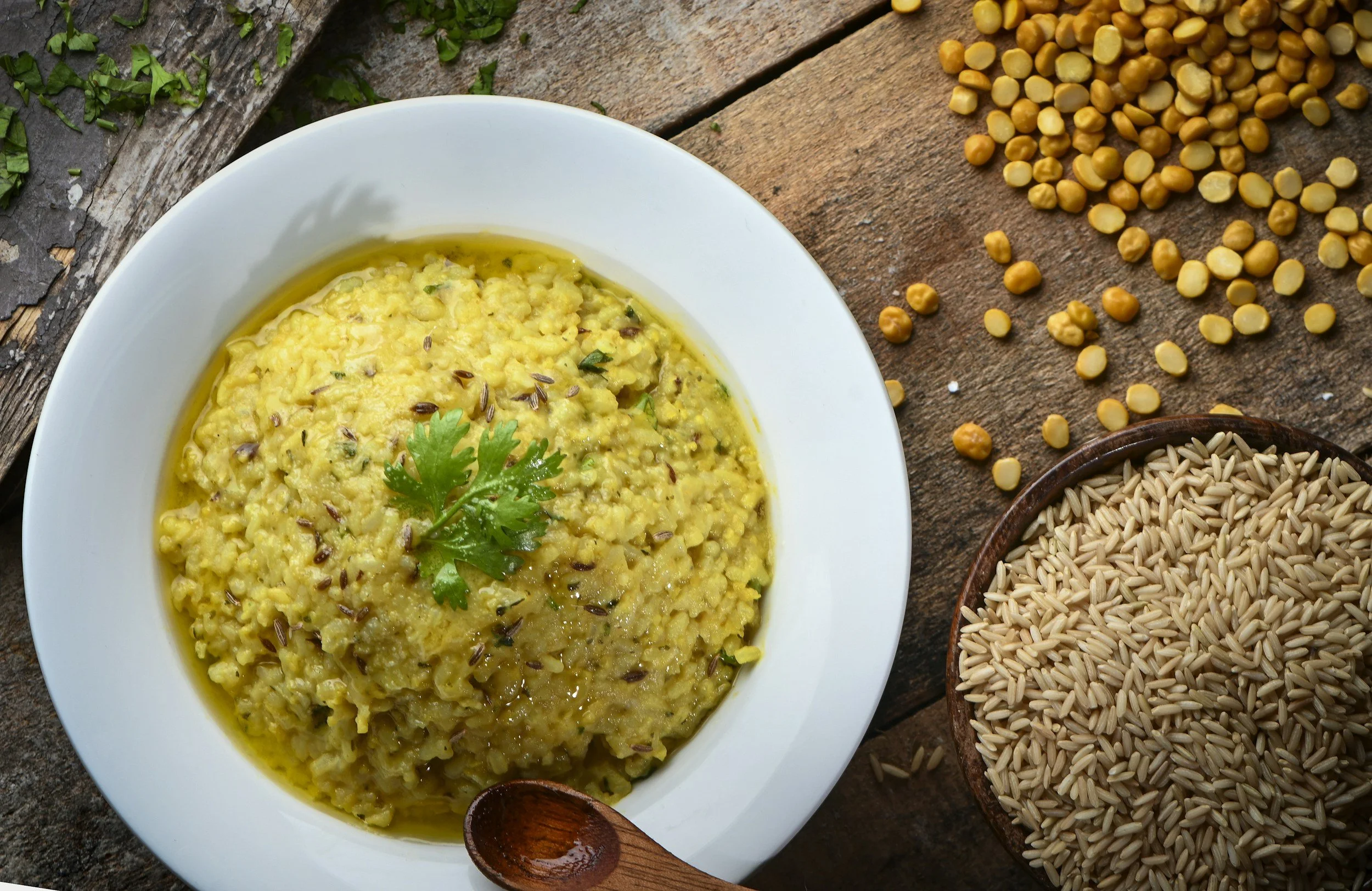
A warm bowl of rice with sweet potatoes or taro root and beets (sweet), with sautéed greens like kale or arugula (bitter), a squeeze of lemon or lime (sour), a pinch of mineral salt (salty), spices such as ginger or black pepper (pungent), and a side of legumes and/or cooked cruciferous vegetables like broccoli, cabbage (astringent). Kitchari is also an example of a balanced six-taste meal.
Why include all six tastes in a meal?
• Deep, lasting satisfaction
A meal that includes all six tastes signals completeness to the body, helping you feel truly satisfied—often reducing cravings and the urge to keep eating.
• Optimized digestion from the first bite
Each taste activates different digestive responses, naturally stimulating enzymes, hormones, and digestive juices for more efficient breakdown and absorption.
• Balanced appetite and metabolism
By engaging natural hunger and satiety signals, including the hormone ghrelin, the six tastes help regulate when and how much you eat—supporting a steady, balanced metabolism.
• A sensory approach to healing
Ayurveda nourishes through the senses, not just nutrients. By experiencing all tastes, eating becomes a more mindful, grounding, and complete process—supporting both physical and mental well-being.
Reclaiming the Six Tastes: Nourishment Beyond Nutrition
In many ways, the modern world has moved away from the first three deeply nourishing tastes: sweet, sour, and salty. Over time, we’ve grown afraid of them.
Beginning in the 1950s and 60s, these tastes became increasingly distorted and overused. Sweet turned into refined sugar. Sour became synthetic additives and preservatives. Salty transformed into heavily processed foods like chips and packaged snacks. Because these tastes are naturally appealing, they were combined and amplified in ways that made food highly marketable—but ultimately, deeply imbalanced and unhealthy.
As a result, sweet became “bad,” salty became “bad,” and sour was viewed with suspicion—though interestingly, sour has not been rejected to the same extent, perhaps because it is harder to overconsume in its natural form.
At the same time, we began to shift toward what we now call “nutrient-dense” foods. But in Ayurveda, nutrients without true nourishment do not fully serve the body.
So what happened next?
We began emphasizing the other three tastes: pungent, bitter, and astringent. We see this in trends like turmeric - ginger shots, green juices, protein shakes, raw salads, high-protein diets, and fiber-heavy foods. While these tastes certainly have their place, the modern approach often overemphasizes them—moving us further away from the foundational, nourishing tastes.
In Ayurveda, balance is everything.
A complete meal—especially lunch—ideally includes all six tastes:
sweet, sour, salty, pungent, bitter, and astringent. If not in every meal, then at least throughout the day, all six should be represented. Each taste plays a unique and essential role in supporting digestion, satisfaction, and overall well-being.
As Ayurvedic practitioners, part of our role is to gently reintroduce and restore respect for these nourishing tastes.
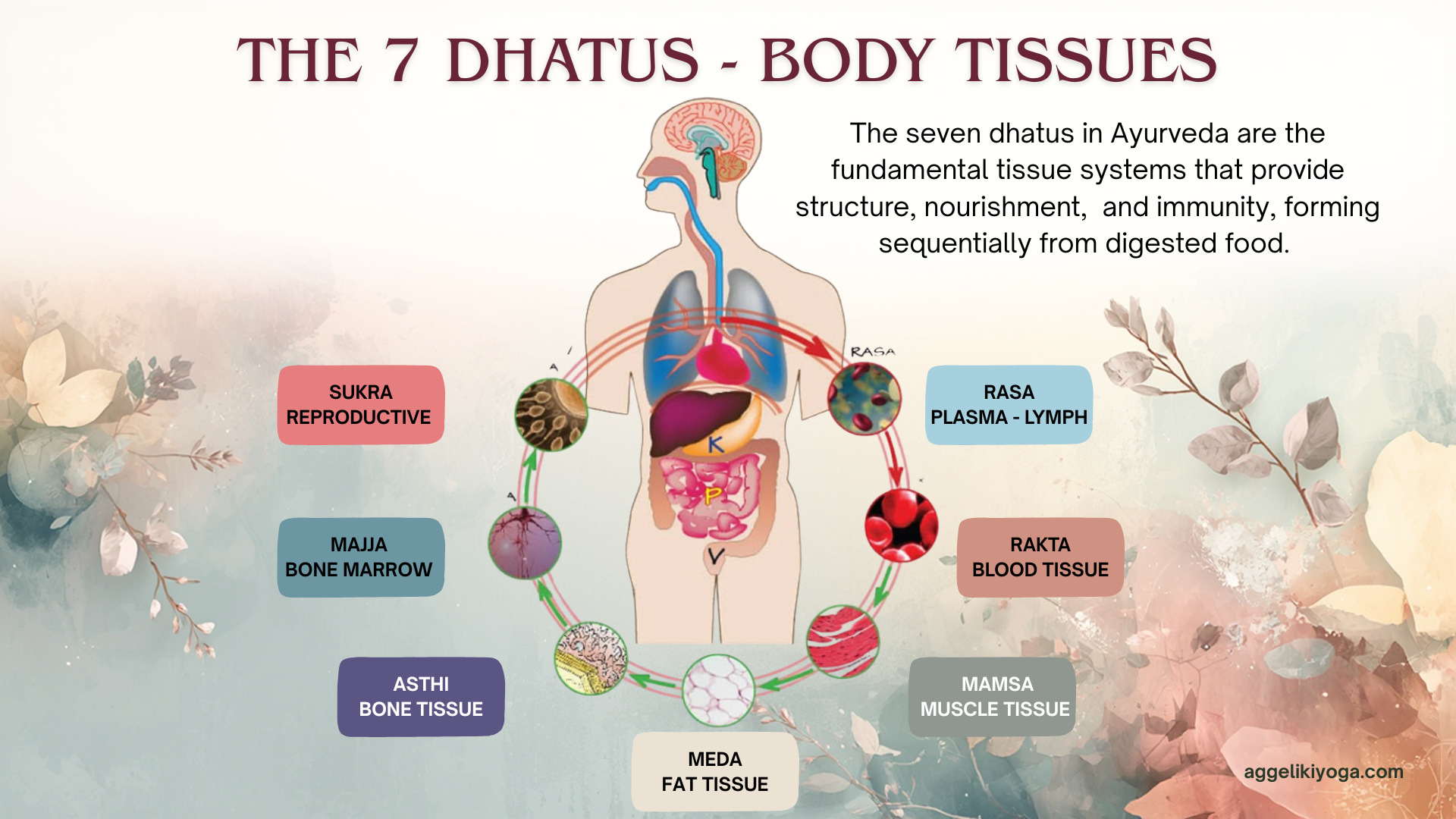
In Sanskrit, Rasa means “Taste,” but it also refers to something much deeper. Rasa dhatu is known as the “juice of life”—the first tissue formed after digestion. It is the essence that nourishes all other tissues in the body. When rasa is healthy and abundant, it supports vitality, immunity, and a deep sense of satisfaction.
By bringing balance back to the six tastes, we are not just improving digestion—we are rebuilding the very foundation of nourishment itself.
The Importance of “How” We Eat
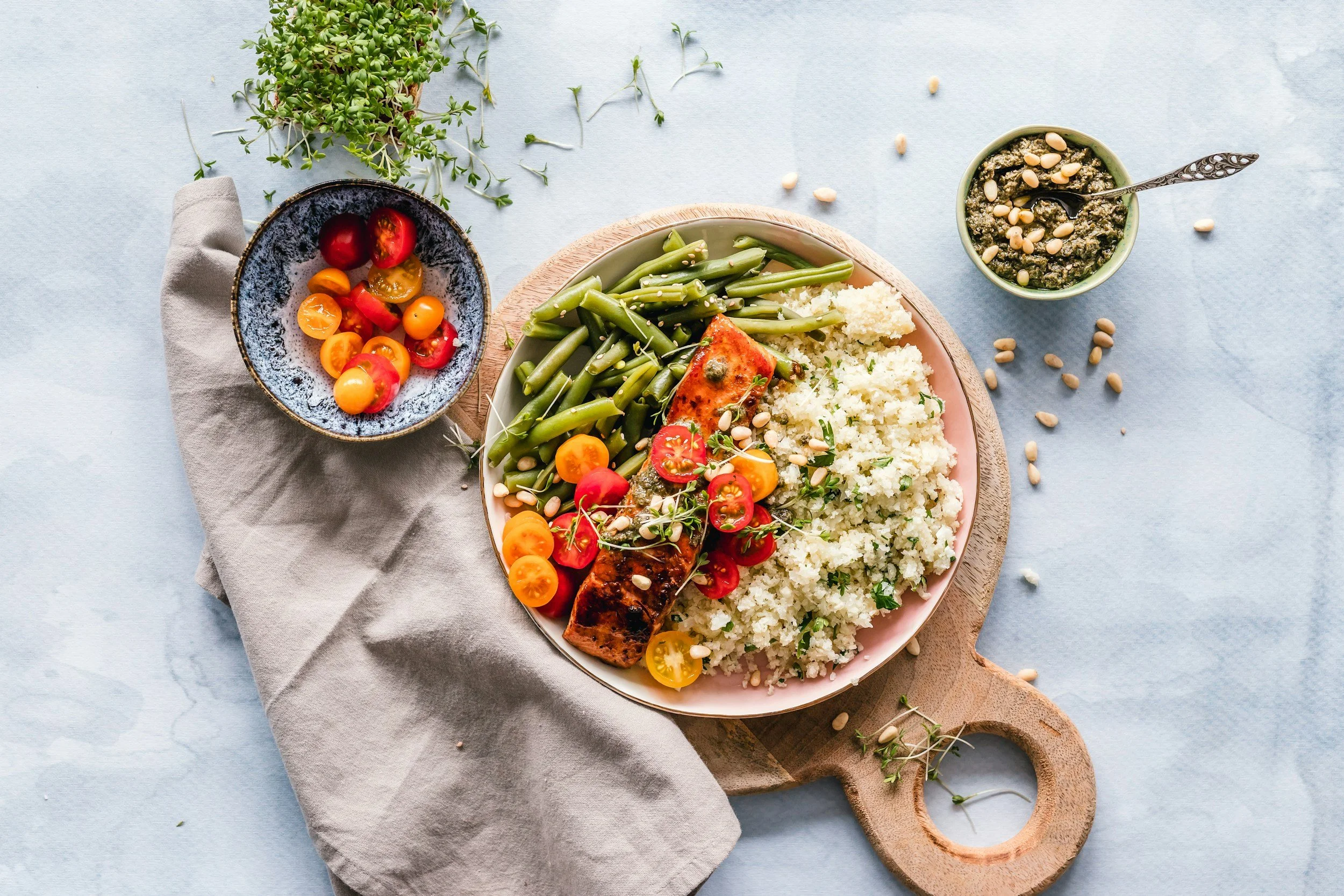
In Ayurveda, we often speak about what, when, and how to eat. While all three are important, how we eat is considered the most essential.
Even the healthiest food, when eaten in a state of stress or at the wrong time—such as a late dinner—will not be properly digested. Over time, this can lead to the formation of ama (toxins) and a lack of true nourishment in the body.
The Spoon Down Method

One of the simplest and most effective practices for our modern lives is the “Spoon-Down Method.” This practice was introduced to me by my Ayurvedic Nutrition teacher, Nidhi Pandya, and it has truly transformed the way I eat, digest, and relate to food. It brings a deep sense of awareness and presence to each meal.
How to Practice
After each bite, gently place your spoon down
Rest your hands on your lap
Chew your food thoroughly
Before swallowing, notice the texture and taste
Before taking the next bite, pause and take a soft exhale
Why It Matters
Awakens the body’s natural intelligence
Supports satiety and balanced appetite (GLP-1 response)
Encourages natural portion control
Deepens your relationship with food
Rest & Digest vs. Fight or Flight
In today’s fast-paced lifestyle, we often inhale our food rather than truly experience it.
Practicing nose breathing while eating helps activate the parasympathetic nervous system—the “rest and digest” state—allowing the body to properly break down and absorb nutrients.
On the other hand, eating while stressed, rushing, or talking continuously—with no pause between bites—activates the sympathetic nervous system, the “fight or flight” response. This elevates cortisol levels and impairs digestion.
When food is not properly digested, ama (toxins) can form over time, often contributing to heaviness in the body, including weight accumulation around the midsection.
The Six Tastes & Food Groups
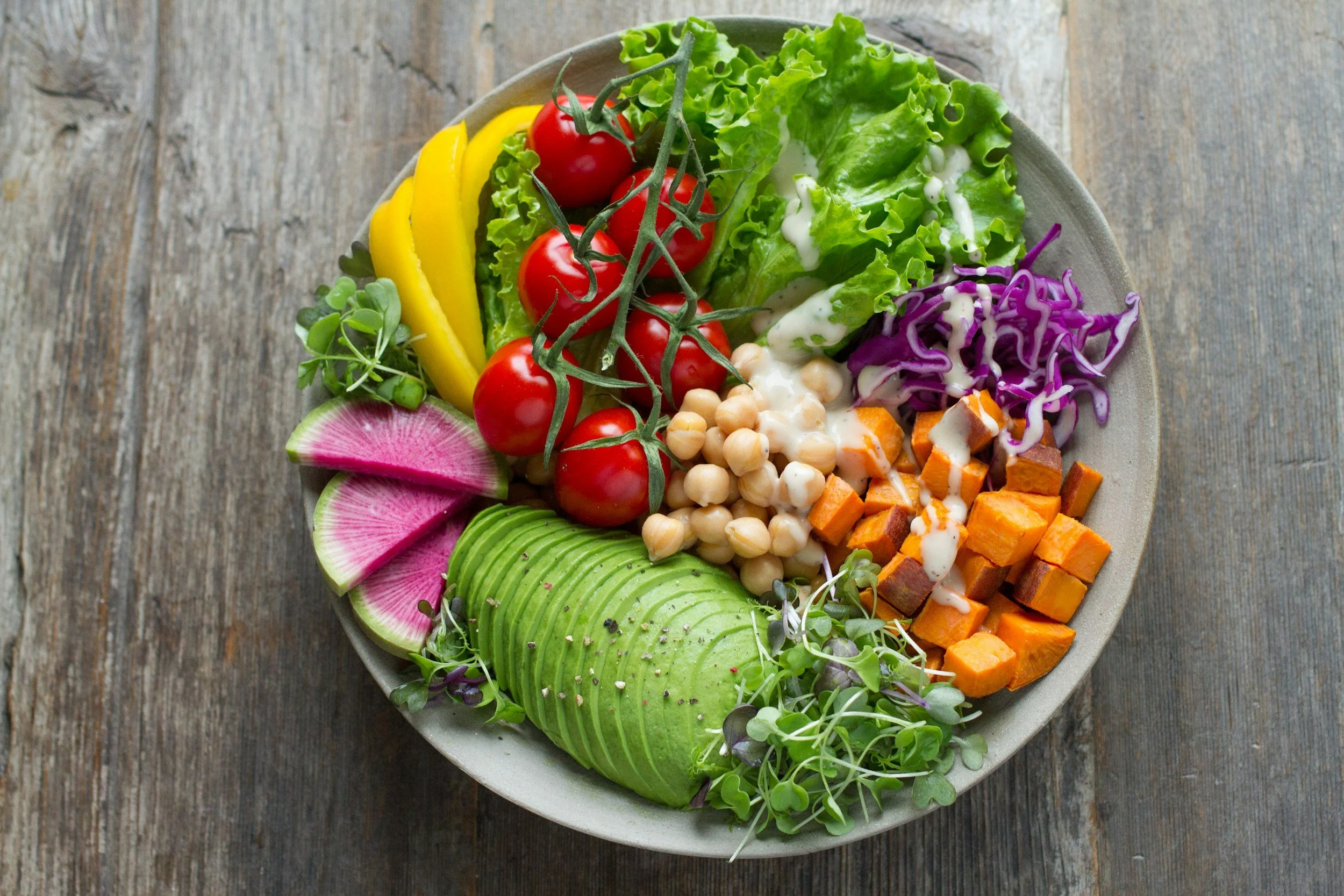
Sweet Taste (Madhura)
Elements: Earth & Water
Foods: grains, yams, sweet potatoes, dairy, nuts, avocado, cooked root vegetables, coconut, ghee, oils
Sweet is the first taste we experience in life, through our mother’s milk. The body has a deep memory of it and naturally knows how to use it for nourishment.
These foods are truly building foods (often referred to as complex carbohydrates). They help form cells, muscles, and tissues, and provide deep nourishment.
Sweet is the most nourishing of all tastes. It can increase Kapha, ground Vata, and soothe Pitta due to its cooling nature.
Sour Taste (Amla)
Elements: Earth & Fire
Foods: lemon, lime, citrus fruits, amla, vinegar
Sour taste awakens digestion. It stimulates salivation and digestive enzymes, signaling to the body that food is coming and helping to build appetite.
It also begins the process of breaking down heavier foods and helps separate liquids from solids during digestion.
Because it contains the earth element, it has a nourishing quality and can increase Kapha. It also encourages continued eating, which is why it must be used mindfully.
Salty Taste (Lavaṇa)
Elements: Fire & Water
Foods: natural salts, sea vegetables (like kelp)
Salty taste supports digestion by helping to break down food and improve absorption. It draws water into tissues through osmosis and enhances flavor and satisfaction.
It has a softening and loosening effect—helping heavier foods cook, digest, and break down more easily.
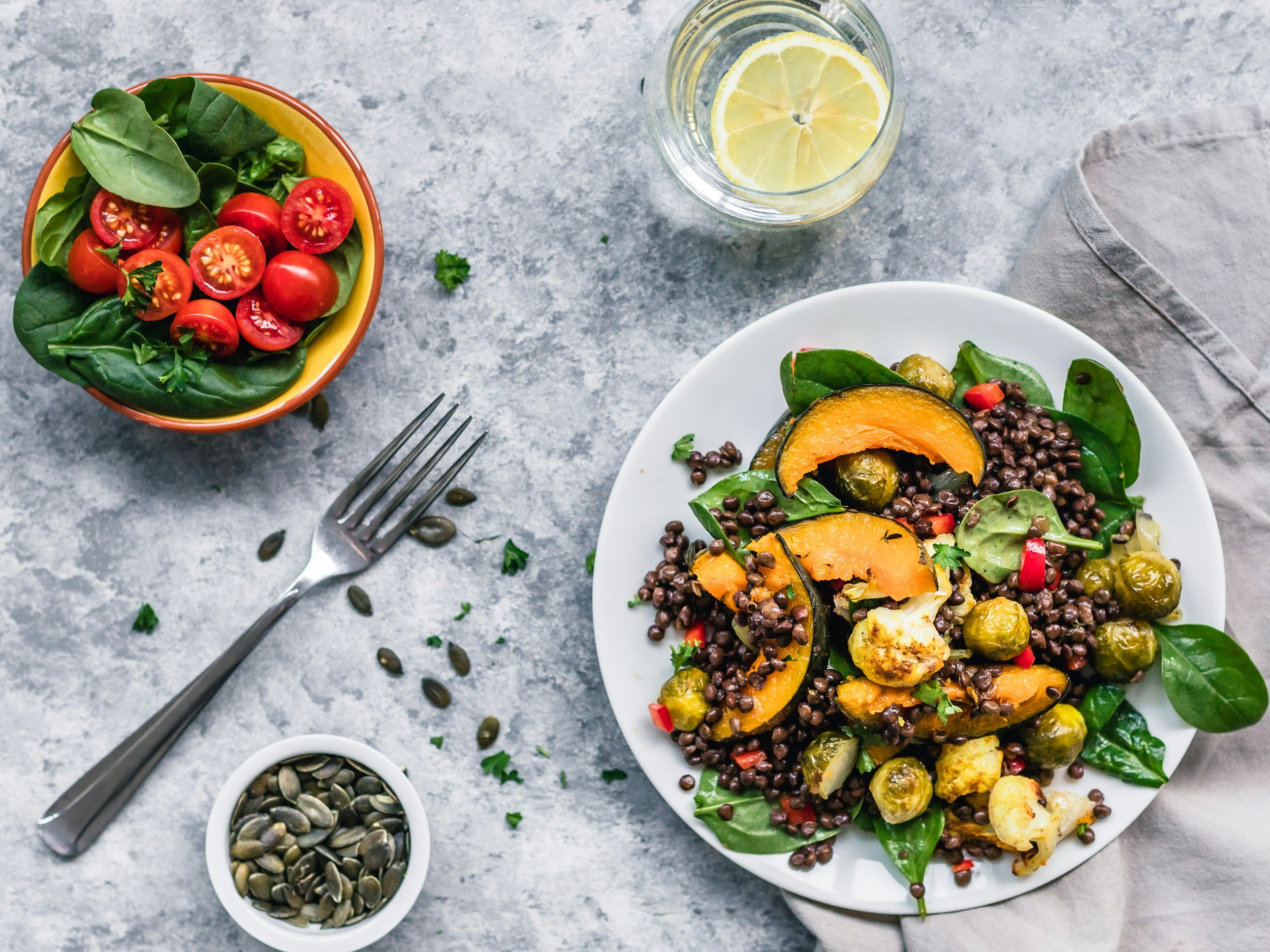
Pungent Taste (Kaṭu)
Elements: Fire & Air
Foods: ginger, spices, chilies, fermented foods (like kimchi), vinegar
Pungent taste is warming and transformative. It supports digestion, breaks down fats, and reduces excess mucus and stagnation.
It has a “scraping” quality that helps clear buildup in the body. In modern terms, many pungent foods are rich in antioxidants, helping to neutralize metabolic waste (free radicals) that accumulate from digestion and daily life.
This taste not only aids digestion but also helps cleanse and protect the body from internal buildup.
Bitter Taste (Tikta)
Elements: Air & Ether
Foods: leafy greens, bitter greens, certain herbs
Bitter taste cools and detoxifies. It supports the liver and helps regulate the quality of the blood.
It brings a natural “pause” to digestion—helping the body distinguish between what should be absorbed and what should be eliminated. In a way, it signals that the “cooking” process is complete.
Bitter foods help reduce excess heat, oiliness, and heaviness, bringing clarity and lightness to the system.
Astringent Taste (Kaṣāya)
Elements: Earth & Air
Foods: lentils, chickpeas, cruciferous vegetables, millets, plantains, raw root vegetables
Astringent taste is rich in fiber and protein—nutrient-dense, though not deeply nourishing on its own.
Its primary action is to bind and absorb. It has a drying, tightening, and “bulking” effect in the body—similar to how flour binds ingredients together when making dough.
It also has a mild scraping quality, helping to remove excess and create structure within the tissues.
Want to Go Deeper?
This article is a small glimpse into what we explore inside my Ayurvedic Nutrition Series.
In the series, we go beyond theory and learn how to:
Apply these principles to your daily meals
Understand your body’s changing needs
Cook and eat in a way that feels intuitive, grounding, and sustainable
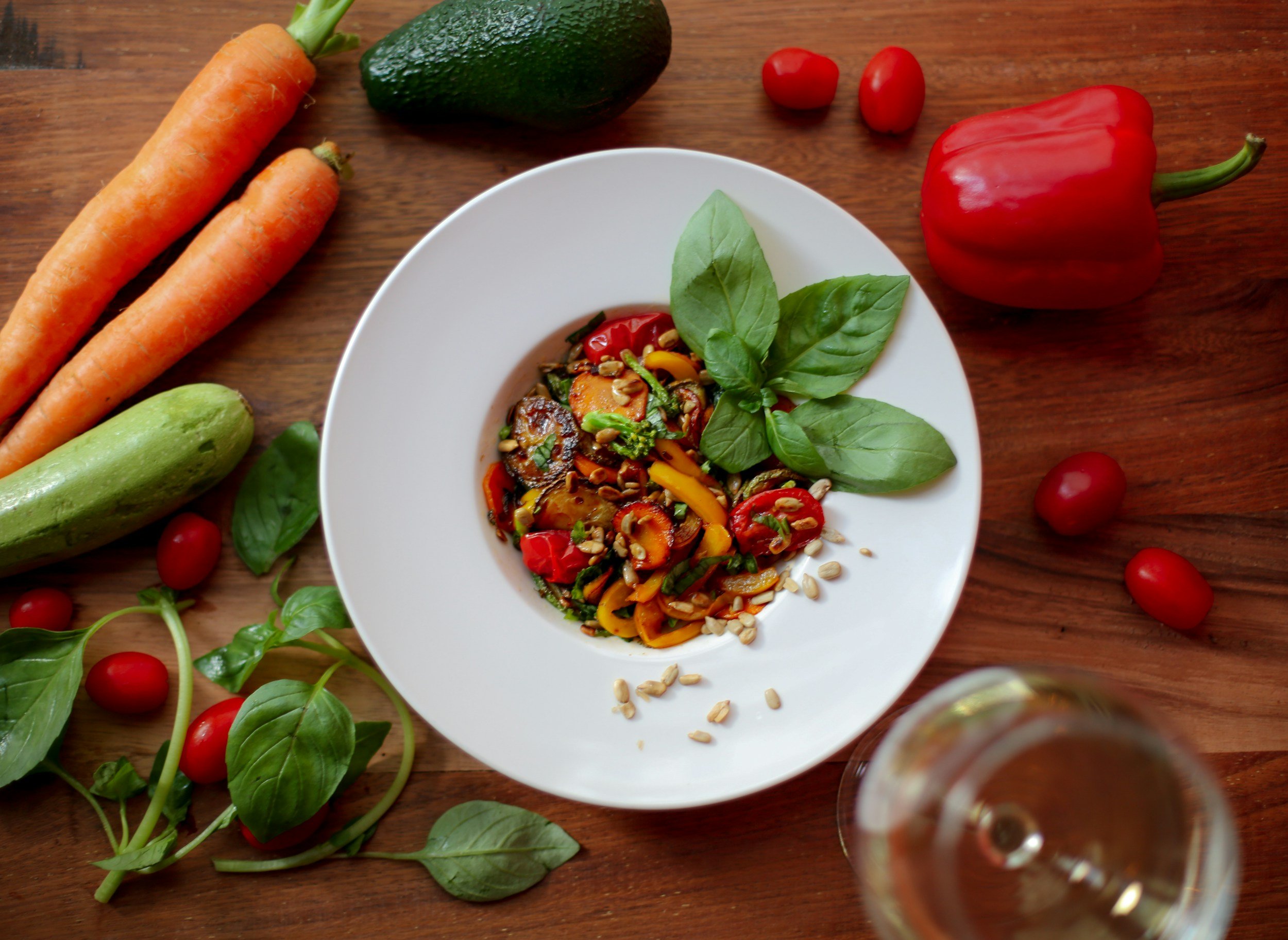
The Ayurvedic plate goes far beyond simply including the six tastes. Ayurveda is not a modern trend—it is a timeless wisdom rooted in the Vedas, India's ancient spiritual scriptures, and has been guiding human health since the very beginning. For thousands of years, this knowledge was preserved through an oral tradition, carefully memorized and passed down in mantra form, long before it was written in classical texts about 5 thousand years ago.
While the six tastes are essential to a balanced meal, Ayurveda teaches that true nourishment is much more nuanced. One of its many gifts to the world is the understanding of viruddha ahara—incompatible food combinations. The classical texts describe 18 categories, reminding us that food, depending on how it is combined, can act as either medicine or poison.
Another important concept is satmya—the foods we are accustomed to, often from childhood, that bring a sense of comfort, ease, and contentment. Ayurveda recognizes that nourishment is not only physical, but also emotional and cultural.
Although Ayurveda originated in ancient India, much like yoga, its wisdom is universal, timeless, and deeply adaptable. Its principles can be applied to any culture, any cuisine, and any individual seeking greater balance and connection through food.
You’ll explore all of this—and more—in the first two classes of the Ayurvedic Nutrition Series: Foundations of Ayurvedic Nutrition.